How to Validate Your MVP Idea in One Week
A practical framework for testing your startup idea fast without building the full product. Learn the exact steps to validate demand before writing code.
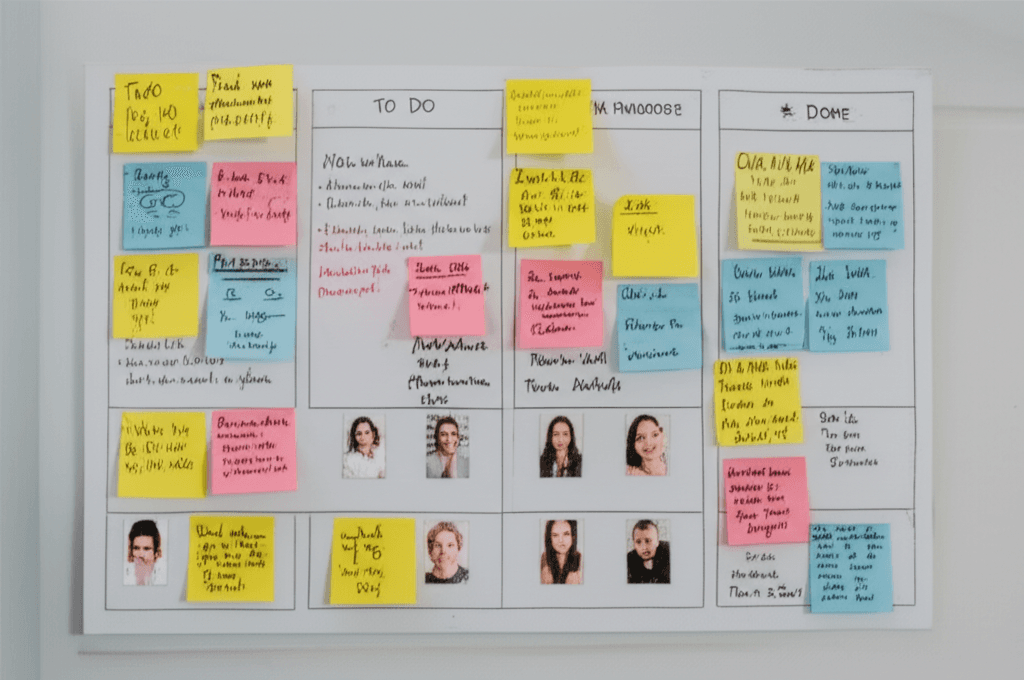
Most founders waste months building features nobody wants. The truth is, you don't need a full product to validate your idea. You need proof that people will pay for the solution.
Here's how to validate your MVP idea in just one week.
Why Validation Matters
I've seen too many founders spend 6 months building a perfect product, only to launch and hear crickets. The market doesn't care about your tech stack or how clean your code is. They care about one thing: does this solve my problem?
Validation answers that question before you write a single line of code.
The One-Week Framework
Day 1-2: Define Your Riskiest Assumption
What's the one thing that, if wrong, kills your entire business?
For most MVPs, it's one of these:
- Will people pay for this?
- Can I reach my target customers?
- Does this problem actually exist?
- Is my solution better than what exists?
Pick ONE. That's your focus for the week.
Example: For a SaaS analytics tool, the riskiest assumption might be: "Startup founders will pay $49/month for better dashboards."
Day 3-4: Design Your Test
How can you test this assumption with minimal effort?
Options:
- Landing page + email signup - Test demand without building anything
- Manual service - Deliver your solution manually before automating
- Concierge MVP - Walk customers through the process personally
- Pre-sales - Get people to pay before you build
The key is: don't build the product yet.
Example test: Create a landing page explaining your analytics tool. Run $100 in Google Ads targeting "startup analytics." Goal: 50 email signups in 48 hours.
Day 5-6: Run Your Experiment
Launch your test and track real behavior, not opinions.
What to measure:
- Sign-ups (not just page views)
- Clicks on "Buy Now" or "Get Started"
- Actual conversations (emails, calls, DMs)
- Pre-orders or deposits
What NOT to measure:
- "Would you use this?" survey responses
- Friends saying "great idea!"
- Likes on social media
Real data beats good intentions every time.
Day 7: Analyze and Decide
Look at your numbers honestly.
Green light signals:
- 10%+ conversion rate on landing page
- Multiple strangers asking "when can I use this?"
- Pre-orders without you pushing hard
- Customers describing the problem in their own words
Red flags:
- People say "interesting" but don't sign up
- Traffic but zero conversions
- Only friends/family showing interest
- You're doing all the talking in conversations
If it's a green light, start building your MVP. If it's red, pivot your approach or test a different assumption.
Real Example: How I Validated an Automation Tool
I had an idea for an AI email automation tool for customer support teams. Instead of building it, I:
Day 1-2: Identified my riskiest assumption - "Support teams will pay for AI that handles 80% of tickets."
Day 3-4: Created a simple landing page and posted in 5 support team communities on Reddit and Slack.
Day 5-6: Ran the test. Got 73 email signups and 8 people asking for early access.
Day 7: Analyzed results. Conversion rate was 12%. Had 3 potential customers willing to pay $200/month. Clear green light.
I then built the MVP in 2 weeks and had paying customers before month-end.
Common Mistakes to Avoid
Building before validating: Don't fall in love with your solution. Fall in love with the problem.
Asking instead of observing: "Would you buy this?" is useless. Watch what people actually do.
Testing with friends: Your mom will say it's a great idea. Strangers won't lie.
Overcomplicating the test: Simple landing page beats a complex prototype every time.
Your Action Plan
This week, pick one assumption and test it.
- Write down your riskiest assumption
- Design a test that takes less than 2 days to build
- Set a clear success metric (number of signups, pre-orders, etc.)
- Run the test for 48 hours
- Decide: build, pivot, or kill
The goal isn't to prove you're right. It's to learn fast and avoid wasting months building something nobody wants.
What's Next?
If your idea validates, you're ready to build your MVP. The key is shipping fast - aim for 1-2 weeks max for your first version.
Need help building your MVP after validation? I specialize in helping founders ship MVPs in 1-4 weeks. No bloat, just the features that test your core assumptions.
Ready to move fast? Schedule a call and let's talk about your MVP strategy.